
Are you weary of your trusty tools wearing out all too quickly? Masterful maintenance habits can breathe new life into your equipment, ensuring it serves you for years to come. Read on to uncover how simple actions in your workshop can keep your tools in peak condition and extend their lifespan.
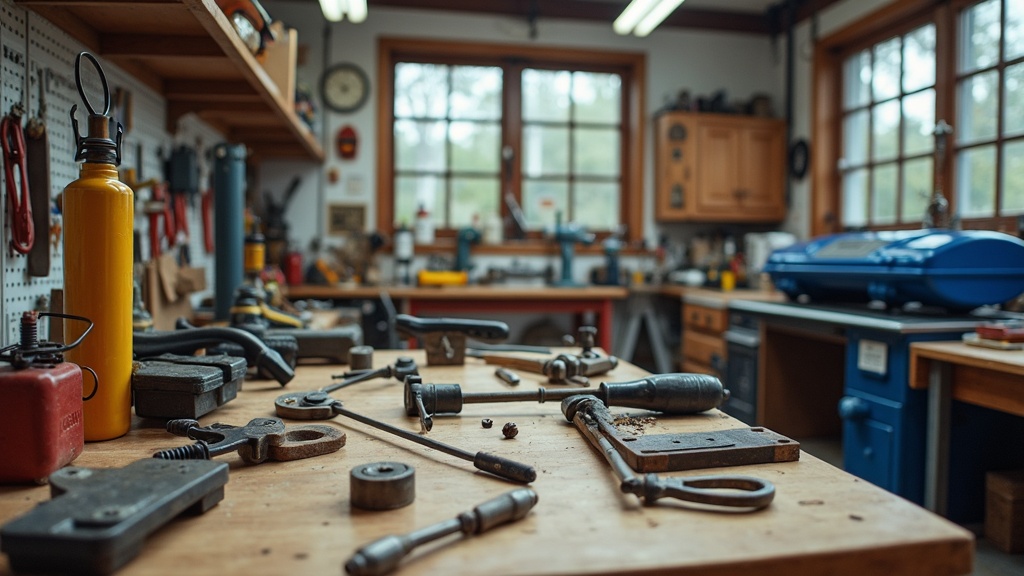
Inspect Regularly to Detect Issues Early
Vigilance is your first line of defense against tool degradation. Regular inspections help identify minor problems before they escalate into costly repairs. This involves checking for rust, wear, or any unusual sounds during operation. John Fisher, a dedicated carpentry enthusiast, credits his 15-year-old circular saw’s longevity to such inspections. 'I make it a point to examine my tools every weekend,' he notes. 'It takes just a few minutes and saves a lot of headaches down the line.'
Cleanliness is Next to Durability
After a hard day’s work, cleaning might be the last thing on your mind. However, the buildup of debris and grime can drastically shorten a tool’s life. Use a brush or a rag to wipe down your equipment after each use. Focus on removing sawdust, oil, and any foreign material that could affect performance. Clean tools not only work better, they also are less likely to harbor potentially damaging contaminants.
Proper Storage: The Unsung Hero
Storing tools in a moisture-free environment is non-negotiable. Moisture exposes metal tools to rust, while improper storage can lead to accidental damage. Tools should be hung or neatly arranged on shelves within a dry and ventilated workshop. Emma Collins, a metalworker, shares her practice of storing tools, 'I always keep silica gel packs in my toolbox. They absorb excess moisture, keeping my tools rust-free.'
Know Your Tools: Right Tool, Right Job
Using the wrong tool for the job is a fast track to early tool retirement. Every tool is engineered for specific tasks, and using them outside these roles causes unnecessary stress and damage. Whether it's using a screwdriver as a chisel or a wrench as a hammer, inappropriate use limits efficiency and reduces the life of both tools involved in the task.
Oil and Lubrication – The Lifeblood of Tools
Much like humans, tools need lubrication to function smoothly. Regular oiling reduces friction, minimizes wear, and prevents rusting. Ted Lucas, a veteran mechanic, emphasizes the importance of lubrication. 'Just a few drops of oil can make all the difference. I’ve seen tools last twice as long simply because they were oiled consistently.' Follow manufacturer guidelines on the proper amounts and types of oils.
Handle with Care
Rough handling is a silent tool killer. Dropping, throwing, or otherwise mistreating tools can lead to misalignment and damage that isn't immediately noticeable but worsens over time. Always handle your tools with care, and teach others in your workshop to do the same. Consider it an investment in their longevity.
Sharpen Your Tools’ Lifespan
For tools designed to cut, a blunt edge can spell doom. Regular sharpening ensures efficiency and prevents any undue strain on the tool’s structure. Blunt tools require more force to use, leading to reduced control and increased wear. Investing in a quality sharpening kit can yield returns in the form of a prolonged tool life and better working experience.
Know When to Retire Tools
Even with top-notch care, tools have a finite lifespan. Knowing when to retire or replace a tool is crucial. When a tool no longer performs as it should despite maintenance, it's time to consider replacement. Continuous use of worn-out tools can lead to shoddy work and even accidents, outweighing the cost of obtaining a new one.
Educate and Involve Your Team
A mindset rooted in maintenance doesn't just happen. Cultivate an environment where everyone in the workshop understands the importance of tool care. Mark Bennett, a workshop owner, regularly holds maintenance workshops to instill these habits. 'Tool longevity is a team effort; everyone needs to be on the same page to prevent issues,' he concludes. Such initiatives ensure everyone's equipped with the knowledge to handle and maintain tools effectively.