
In the world of workshop maintenance, finding the right tool at the right time can be the difference between a smooth project and a timeline disaster. Discover creative and efficient ways to keep your hand tools easily accessible and ready for action in our thorough guide to tool storage and organization.
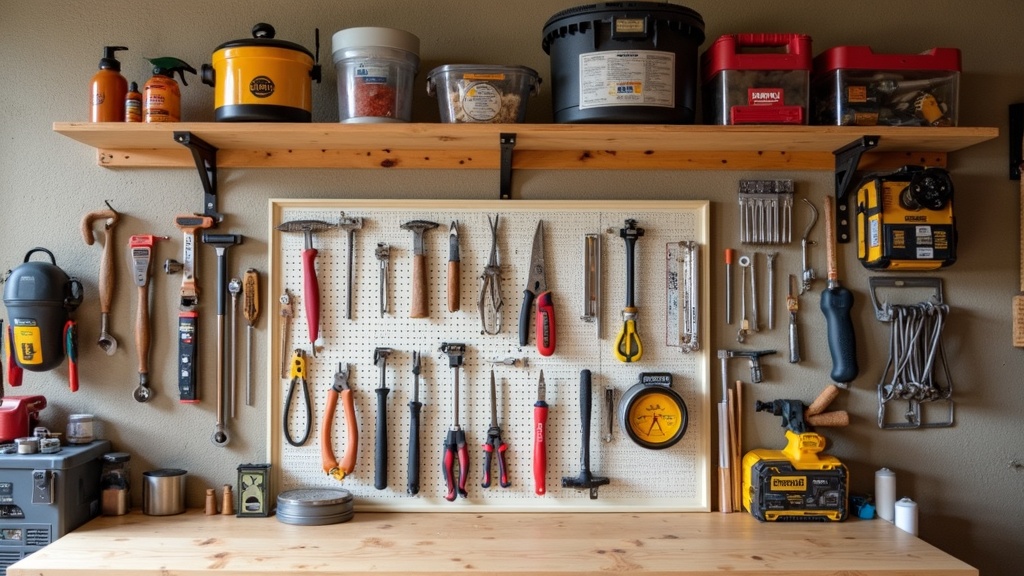
The Art of Categorization: Grouping Your Tools
Start by categorizing your tools based on their type and usage. This fundamental step lays the groundwork for effective storage. Divide your tools into categories such as cutting, fastening, measuring, and marking, ensuring that similar tools are grouped together. By creating a well-thought-out category system, you'll simplify the selection process, making it easier to locate the tool you need in a snap, thus boosting your workshop efficiency.
Utilizing Wall Space: The Power of the Pegboard
Wall-mounted pegboards are a workshop's best friend. Transform an empty wall into a haven for your tools by installing a pegboard. Equip it with a variety of hooks and holders designed to fit different tool sizes and shapes. A pegboard turns your tools into a visual display, allowing you to identify them at a glance and keep your workspace clear and functional.
The Toolbox Rule: Implementing a Portable System
While wall storage is excellent, don't underestimate the importance of a sturdy toolbox. For portability, use a multi-layered toolbox to organize smaller, frequently used tools. This keeps your workspace less cluttered and provides an efficient way to transport tools between different locations. Choose a toolbox with clear labels or transparent parts to know exactly where each tool is without rifling through.
Drawer Diligence: Maximizing Cabinet Use
Drawers and cabinets are ideal for storing bulkier or less frequently used tools. Optimize your drawer space by using organizers and dividers that ensure each tool has a designated spot, preventing them from jumbling together. This method maintains visibility and order, essential for locating tools efficiently without scavenging through piles.
Label Like a Librarian: The Key to Easy Retrieval
Give your tools a voice by labeling them. Use a dynamic labeling system with clear, visible tags on your pegboards, toolboxes, and drawers. Labels act as visual aids to navigate your tool collection swiftly and reduce the time spent searching for specific items. Using a readable and consistent font will also help maintain an organized look.
Magnetic Magic: Magnets in Tool Storage
Magnets offer a fascinating solution for organizing metal tools. Implement magnetic strips along your workshop walls to effortlessly hold and display metal tools like wrenches and screwdrivers. These magnets provide a quick-access alternative, ensuring the tools you use most often are always within arm's reach while keeping your countertop space uncluttered.
Tool Totes and Bags: The Mobile Solution
For the wandering handyman or the project that won’t come to the workshop, a tool tote or bag can be your portable solution. Choose a bag with numerous compartments to compartmentalize your smaller tools and keep the larger ones in check. It combines the benefit of mobility with the organization, ensuring you have all you need when traveling for a job.
Regular Maintenance: Staying Ahead of Disorder
Consistency is the backbone of every organizational system. Set a regular schedule to tidy up your workspace, reassess storage solutions, and track down any tools that have gotten misplaced. Keep the habit of putting tools back in their designated spots after use, as this practice prevents disorder and helps you stay organized in the long run.
Personalized Productivity: Tailor Your System
Every craftsman's needs are unique. Analyze your workflow, examine your tool usage frequency, and customize your storage solutions to fit your personal style. Designate specific zones for different project types and establish a flow that makes sense for how you work. Tailoring your tool storage will not only enhance your efficiency but also make your time in the workshop more enjoyable.