
Navigating the expansive world of home projects requires more than just enthusiasm—equipping yourself with the right tools is key to success. Understanding what to use and when to use it can transform frustrating fixes into manageable tasks. Dive into this comprehensive guide to discover how to select the perfect tool for any home endeavor, ensuring accuracy, safety, and efficiency at every turn.
Understanding Your Home Project Needs
When it comes to picking the right tool, it's crucial to first understand the nature and scope of the task at hand. Consider whether your project involves light repairs or complex installations. For instance, Emma, a DIY enthusiast, highlights how misjudging a project's demands can lead to unnecessary purchases and wasted effort. Start by outlining the requirements of your task to narrow down your tool options.
The Essential Toolbox: Must-Have Tools
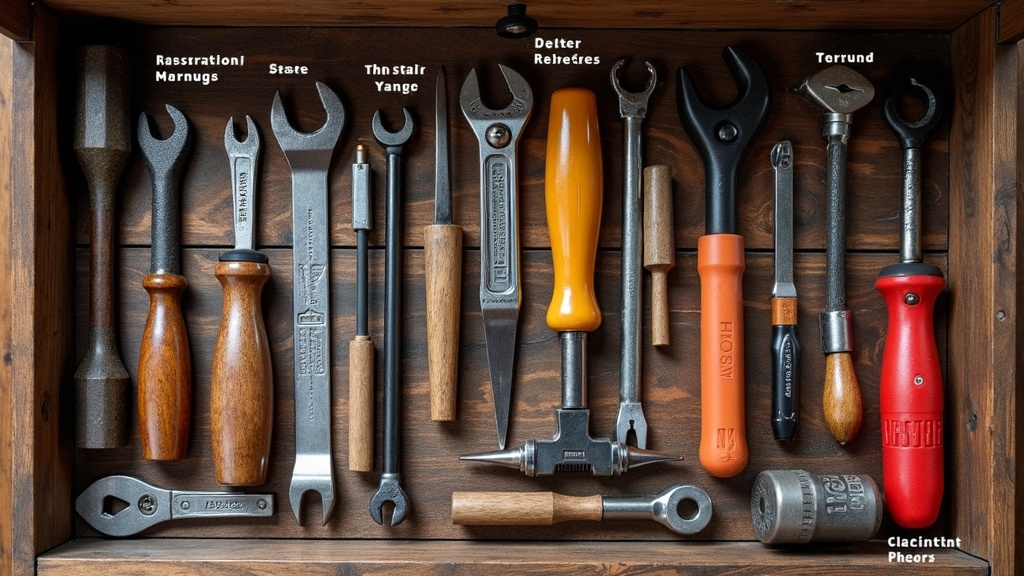
Every home should be equipped with a basic set of tools ready for any number of common tasks. Items such as a hammer, tape measure, adjustable wrench, and a set of screwdrivers can handle a surprising range of issues. Nathan, a professional handyman, suggests starting with these essentials to build a versatile toolbox. These tools serve as the backbone for both beginners and seasoned DIYers.
Drills and Drivers: Power Up for Heavy Jobs
Power tools like drills and drivers come into play when a simple hand tool won't suffice. For heavier tasks such as hanging shelves or installing cabinets, a reliable drill allows for precision and ease. Alyssa, a home renovation specialist, insists on investing in a quality cordless drill, offering flexibility and power for a variety of tasks. A driver set can further enhance your capabilities when dealing with multiple types of screws.
Precision Tools for Detailed Craftsmanship
Sometimes tasks require more finesse, and that's where precision tools make their mark. For example, when aligning corners or installing small fixtures, levels and squares ensure accuracy that just isn't possible by eye. Luis, a master carpenter, shares how incorporating a spirit level into his kit has saved countless hours of rework. Choose precision tools for projects that demand exact placement and craftsmanship.
Safety First: Tools with Built-in Safety Features
Safety should never be an afterthought; many tools now come equipped with features designed to protect you. Look for tools with ergonomic designs, non-slip grips, or automatic shut-offs. Samantha, a safety adviser, recommends choosing tools with these features to prevent accidents, particularly in households with children. Emphasizing safety can safeguard not only your projects but also your well-being.
The Multi-Tool Advantage: Versatility in One Gadget
For those who crave versatility or have limited space, multi-tools offer an elegant solution. Combining multiple functionalities such as pliers, knives, and screwdrivers can be a game-changer. Casey, a space-conscious apartment dweller, finds that a good multi-tool can often replace an entire drawer of traditional tools. Multi-tools provide a compact option without sacrificing performance.
Measure Twice, Cut Once: Tools for Accuracy
Ensuring precise measurements is critical, and having the right measurement tools like a good tape measure, digital calipers, or laser distance measurer can eliminate guesswork. Tim, a precise craftsman, always begins projects by verifying his measurements, avoiding costly errors. Investing in quality measuring implements can make the difference between a professional finish and a makeshift look.
Choosing the Right Materials for Each Tool
The materials your tools are made from significantly affect their performance and longevity. Stainless steel and carbon-reinforced plastics, for instance, tend to resist wear and tear better. Jacob, an industrial tool expert, mentions how choosing durable material options can extend tool life and improve project outcomes. Knowing what to look for helps ensure your toolkit remains functional over time.
Combining Expertise with the Right Tool for Every Job
Ultimately, the key to successfully choosing the right tool is coupling it with knowledge and skill. With understanding and the right equipment, even the most daunting home tasks become surmountable. Sara, a veteran DIY instructor, encourages homeowners to continuously learn and adapt, always updating their tool collections in line with new tasks and emerging technologies. Mastering your toolbox is a journey of both learning and discovery.