
Embarking on a do-it-yourself project can be both exhilarating and nerve-racking. The thrill of creating something with your own hands is unmatched, yet the fear of missteps can dampen the excitement. Fear not, for here we unravel tried-and-tested strategies to steer your DIY journey towards triumph. Brace yourself for a captivating adventure where creativity meets practicality, ensuring your endeavors are seamless and rewarding.
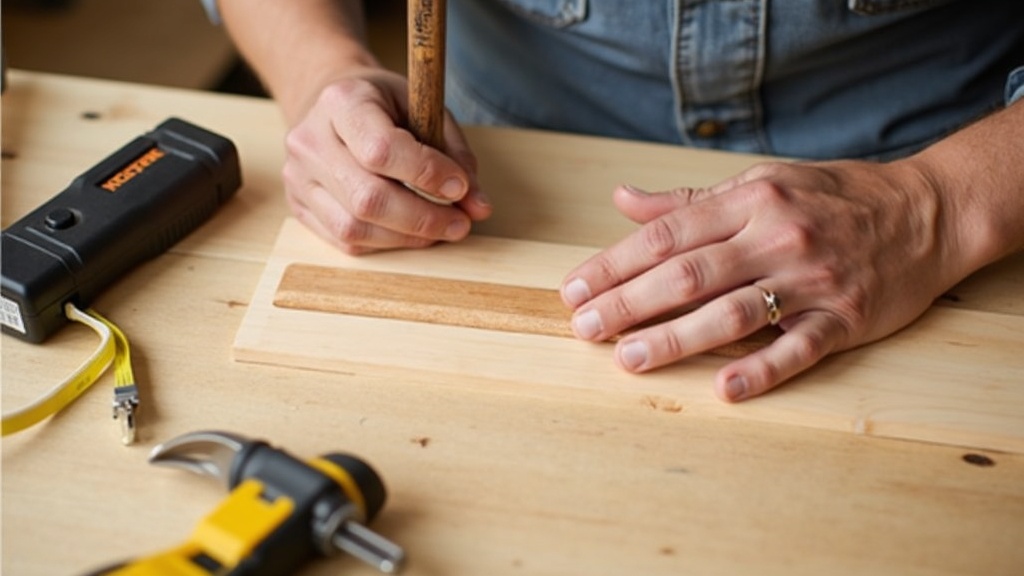
The Power of Planning: Map Out Your Project
Every successful DIY project begins with a well-laid plan. Before diving into your task, take a moment to sketch your ideas and goals. Imagine Alex, who wanted to craft a beautiful garden gazebo. He started with a simple diagram, jotting down dimensions and materials needed. This early visualization set a foundation, guiding him through the intricate processes that followed. Embrace the planner in you to pre-empt potential pitfalls.
Arming Yourself with the Right Tools
No DIY journey can progress smoothly without the right tools. Lucy, an amateur woodworker, learned this lesson when she first attempted to build a bookshelf. She discovered that the correct drill bit and saw were game-changers. Equip yourself with quality tools tuned to your project needs, and you’ll find each task becoming more intuitive and less taxing.
Mastering Measurements: The Bedrock of Precision
Precision in measurements is the unsung hero of any effective DIY project. Jake, while creating custom kitchen cabinets, found that a mere quarter-inch discrepancy could spell disaster. Invest in a reliable measuring tape and level; double-check your figures. Embrace the mantra 'measure twice, cut once' to avoid costly errors and achieve high accuracy in your work.
Material Selection: Quality Over Quantity
Choosing the right materials can make or break your project. Emma, who built a rustic dining table, learned through trial and error that select, sturdy wood made all the difference. Opt for materials that not only meet aesthetic demands but also ensure longevity and durability. Trust in quality, and your creations will stand the test of time.
Safety First: Protecting Your Most Valuable Asset
Safety isn't just a recommendation; it’s a necessity. During a home renovation, David realized the importance of wearing safety goggles and gloves after a near-miss incident. Prioritize protective gear to shield yourself against unforeseen injuries. Adopt safety protocols fervently, turning work hazards into relics of the past.
Organization: Keep Clutter at Bay
A cluttered workspace can be a breeding ground for mistakes. Organize your tools and workspace like Mia, who maintained an orderly garage when crafting furniture. Knowing exactly where each tool is located can save time and reduce frustration. A neat working environment fuels efficiency and enhances creativity.
Step-by-Step Execution: Patience is a Virtue
One of the keys to a smooth DIY process is executing tasks in a sequential, methodical manner. Sam, who was refurbishing an old dresser, discovered the significance of completing each step before moving to the next. Hastiness can lead to oversight, so break the task into manageable steps, ensuring each one is fully completed before proceeding.
Evaluate and Adjust: Open to Change
After substantial progress, it’s beneficial to step back and evaluate your project. Amanda, while restoring her patio, found that this habit allowed her to make necessary adjustments, leading to an optimal result. Being willing to pivot and make changes is vital in ensuring the success of your project.