
In the world of DIY projects, enthusiasm often skyrockets, but safety should never take a backseat. Understanding how to handle tools correctly not only spares you from injuries but also enhances the quality of your work. Let's dive into these essential tips that will keep you safe and your projects pristine.
Understand Your Tools Inside Out
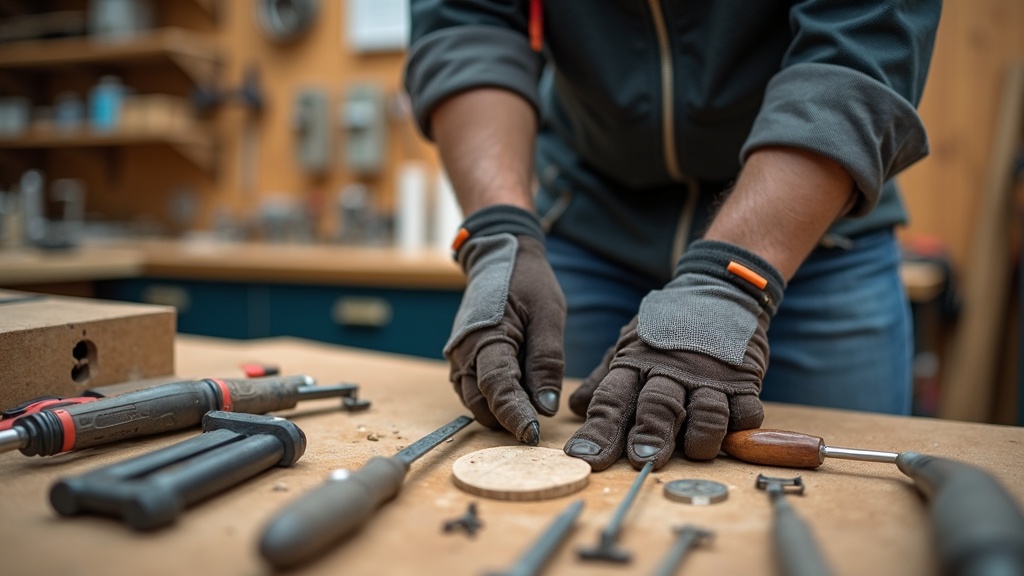
Before you even start your DIY project, it’s crucial to become familiar with the functionality and limits of each tool you plan to use. Every instrument is designed for specific tasks and understanding the intricacies can prevent misuse, which often leads to accidents. Read manuals, watch tutorials, and don’t hesitate to ask Clarence, an experienced craftsman, for advice.
Personal Protective Equipment is Non-Negotiable
Imagine crafting your dream furniture and getting injured midway. An easy way to avoid this unpleasant scenario is by gearing up properly. Always wear safety goggles, gloves, and appropriate footwear. Bella, a DIY enthusiast, shares how a simple slip was thwarted by sturdy boots—a lesson she carries into every project.
Check Your Toolkit Regularly
Regular maintenance of your toolkit ensures that each piece is in working order. Dull saws or wobbly hammers are accidents waiting to happen. Set a schedule to inspect and sharpen tools, oil moving parts, and replace worn-out items. Ethan, a local carpenter, swears by bi-weekly checks that save both time and injury mishaps in the long run.
Proper Lighting Makes a Difference
Inadequate lighting can obscure your vision and lead to mishaps. Positioning a robust light source above your workspace illuminates every corner and detail. Lydia, a professional renovator, suggests natural light whenever possible during daytime projects or investing in a positionable LED lamp for those late-night crafting marathons.
Approach Tasks One at a Time
While multitasking might be a life skill for some, it's a perilous game with tools. Focus single-handedly on each task before moving to the next. Distractions can lead to omitted steps or hazardous mistakes. Lucas, who often juggles multiple renovation projects, found success by creating and adhering to a strict task list.
Master Ergonomics in Your Setup
Arrange your workspace to minimize strain and maximize efficiency. Ensure tools are easily reachable and your working height is comfortable. Hana improved her crafting stamina by organizing her tools logically, dipping into her setups only when everything is ergonomically sound.
Stay Sober and Save the Cheers for Later
It’s tempting to sip a cold one during a heatwave crafting session, but alcohol and tools are a dangerous combination. Maintain a clear head to ensure precision and safety in your work. Harold, who once learned the hard way, now savors his celebratory drink post-completion, with all fingers accounted for.
Secure Your Workpiece Before Machining
Always anchor materials firmly in place before any cutting or drilling. Unsecured items can slip or fly, posing a threat to both the craft and the crafter. Olivia teaches this as a golden rule in her woodworking classes, reiterating that a steady project is a successful project.
Know When to Call In the Pros
Understanding your boundaries and the limits of your skill can prevent serious errors. For complex tasks or when uncertain, hiring a professional is advisable. Jake, a DIY aficionado, learned to balance between challenge and safety, often consulting his mentor for a safe path forward in difficult projects.