
With the right tools at your fingertips, tackling small household jobs becomes more of an art than a chore. Whether you're fixing a leaky faucet or hanging a picture, having the right equipment can make all the difference. Dive into this comprehensive guide to understand how to select and maintain the perfect toolkit for any home repair task.
The Importance of Knowing Your Needs
Before rushing to the nearest hardware store, take a moment to assess your needs. Understanding the specific tasks you anticipate will guide you in choosing the tools that are most essential. For instance, if you're often dealing with electrical fixtures, a reliable set of insulated screwdrivers should be at the top of your list. Keeping your activities in mind not only helps you avoid unnecessary purchases but also streamlines your toolkit for the tasks you actually undertake.
Quality Over Quantity: Why It Matters
It's tempting to buy a full toolkit at a fraction of the cost, but this often leads to compromised quality. Isabelle Dyer, a seasoned home improvement enthusiast, advises, 'Invest in fewer, higher-quality tools that will stand the test of time.' This ensures durability and efficacy, reducing the chances of equipment malfunction when you need it most.
Embracing Versatility: The Magic of Multi-Tools
When space or budget is limited, multi-tools can be a lifesaver. A quality multi-tool can serve the functions of several individual tools and is perfect for quick fixes or on-the-go adjustments. From pliers to screwdrivers, finding a robust multi-tool can be the cornerstone of your toolkit, offering versatility in one compact package.
Staying Organized: Creative Storage Solutions
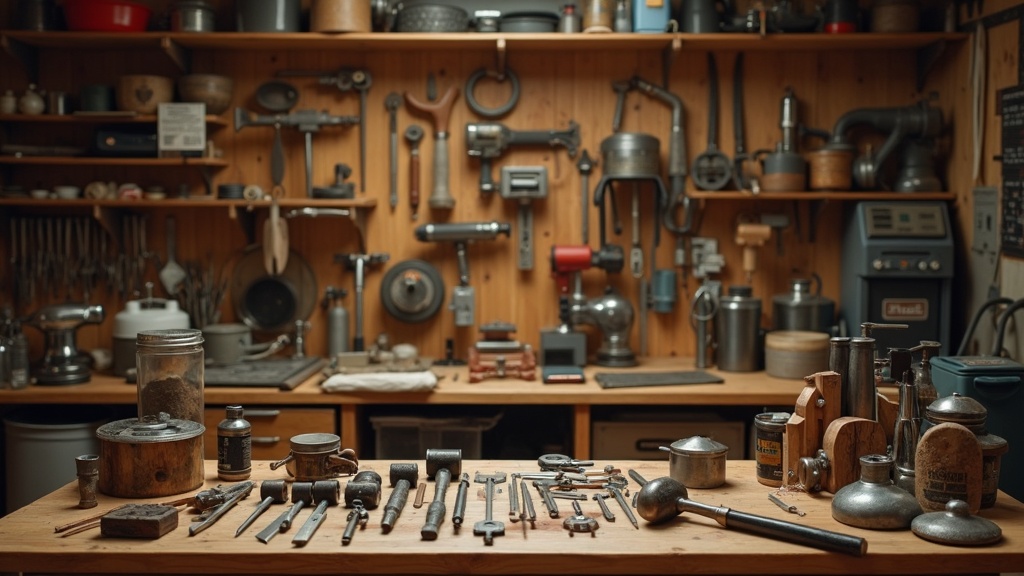
Keeping your tools organized can save valuable time and prevent frustration. Invest in a dedicated toolbox or hang your tools on a pegboard in your garage or workshop. Labeling tool compartments and using clear boxes for accessories like screws and nails can enhance visibility, ensuring you always know where to find what you need (and where to put it back).
Routine Tool Maintenance: A Crucial Step
Maintaining your tools extends their lifespan and reliability. Regular cleaning, oiling moving parts, and sharpening blades are essential tasks. Tom Wellington, a maintenance expert, emphasizes, 'Think of your tools as an investment. A little care keeps them efficient and ready whenever duty calls.'
Safety First: Handling Tools with Care
With great tools comes the responsibility of using them safely. Understanding how to handle each tool properly not only protects you but also prevents potential damage to the tools themselves. Always wear appropriate safety gear and follow manufacturer instructions meticulously.
Workshop Efficiency: Streamlining Your Setup
A well-organized workshop maximizes efficiency. Arrange tools in a manner that reflects their frequency of use — keep essentials within easy reach and less commonly used items stored out of the way. Incorporate workbenches at the appropriate height to ensure comfort and ease of use for all your projects.
Know When to Seek Professional Help
There are times when, despite having the correct tools, you may need to call in an expert. Recognizing a task is beyond your skill level can save you time and prevent damage. Professional insight can also provide learning opportunities, enhancing your skills for the next project.
Building Confidence and Skillset
As your toolkit grows, so will your confidence and skillset. Start with small projects, and as you become more familiar with your tools, tackle more challenging tasks. With perseverance and practice, you can master the art of home repair, transforming your toolkit from a collection of objects into a symbol of empowerment.