
Every weekend is a golden opportunity to ensure your tool setup is not just functional, but ready to perform at its peak. Let's delve into how you can cultivate an effective tool care routine that will keep everything in prime condition, ensuring you won't be caught off guard when it's time in action.
Understand Your Arsenal
Before delving into the care routine, it’s important to understand what you’re working with. Jacob Simmons, a DIY enthusiast, shared that knowing your tools’ capabilities and limits ensures you maintain them appropriately. Explore each tool, from its manufacturer specifications to material makeup, as this dictates the maintenance routine needed.
The Ritual of a Thorough Cleaning
Cleaning is the cornerstone of any tool care routine. As Joanna Bell, known for her pristine workshop, points out, cleaning tools post-operation rather than precludes the buildup of rust and grime that can impair performance. Use wire brushes, scrapers, or specific cleaning solutions suited to the material at hand.
Oil, Grease, and Lubricate
Regular lubrication keeps tools operating smoothly. Andrew Diaz, a seasoned carpenter, insists on this ritual. He applies oil or grease to hinges, blades, or any moving parts every weekend, ensuring they remain in perfect motion. Don't forget your power tools' manuals might specify unique lubrication needs – heed their advice for longevity.
Sharpening: The Art of Precision
Maintaining precision often lies in how sharp your tools are. Evelyn Russo, a seasoned gardener, emphasizes keeping blades sharp. Whether it’s lawnmower blades or chisels, she suggests honing them weekly to ensure effectiveness. Invest in a quality sharpening stone or tool to make this task easier and more efficient.
The Power of Proper Storage
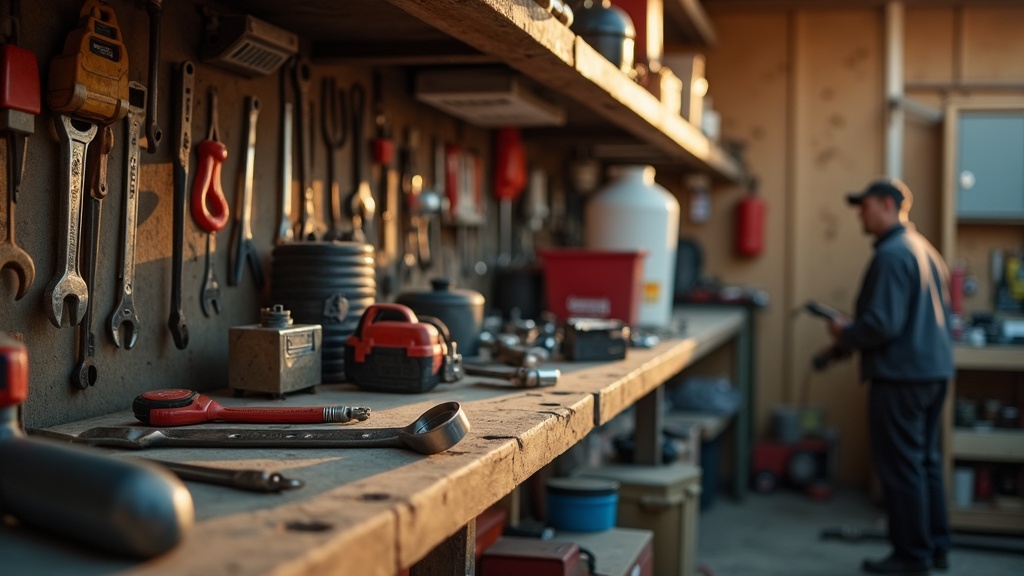
The environment in which you store tools profoundly impacts their lifespan. Henry Lerner, an organizational expert, prefers a moisture-free area with custom pegboards and drawers. This setup safeguards tools from damaging conditions and keeps them neatly organized, reducing the time spent looking for specific items.
Regular Inspections Matter
A close inspection every weekend, according to Layla Moritz, an industrial artist, reveals wear and tear before it becomes a problem. Check for cracks, fraying on wires, or any unusual noise during operation. More often than not, these quick checks can prevent disaster in your next project.
Toolkit Optimization
Every expert agrees on one thing: Quality trumps quantity. John Peters, a minimalist handyman, suggests curating your toolkit to include only essential, quality tools. This not only ensures better performance but also means less maintenance work is necessary. Regularly evaluate your tools and let go of those less used.
Implement an Inventory System
Creating a tool inventory system will keep you aware of what you have and need. Carly Jensen, an inventory manager for a construction company, uses a digital app to log her tools’ details, purchase dates, and any history of repairs. This smart setup can save time and prevent buying duplicates.
Establish a Routine That Sticks
The culmination of a stellar tool care regimen is a routine that is as much a habit as it is a necessity. Bianca Holmes, a weekend warrior in her own right, sets dedicated time and follows a checklist every Saturday morning, ensuring every tool remains in top condition and minimizing stress.