
Embarking on a new DIY project is always exciting. But before you dive into the creative process, setting the stage with an organized workspace can be crucial to both productivity and safety. Let's explore how you can tailor your environment to spark creativity while maintaining order.
Clear the Clutter
Before you can begin crafting your DIY masterpiece, it's essential to start with a clean slate. Rid your workspace of any unnecessary items that might obstruct your project's flow. Logan, a DIY enthusiast, swears by the mantra of decluttering. 'A fresh space means fresh ideas,' he says. This step not only helps you focus better but also minimizes the risk of any accidental spills or damages.
Map Your Materials
Organizing your materials is akin to setting the pieces on a chessboard. Each material should have its designated space. Miranda, an expert in DIY home decor, uses labeled bins and trays for easy access. 'When you have a structured system, you don't waste time hunting for materials,' she explains. Label your bins clearly, and arrange them in a manner that aligns with your workflow.
Tools at the Ready
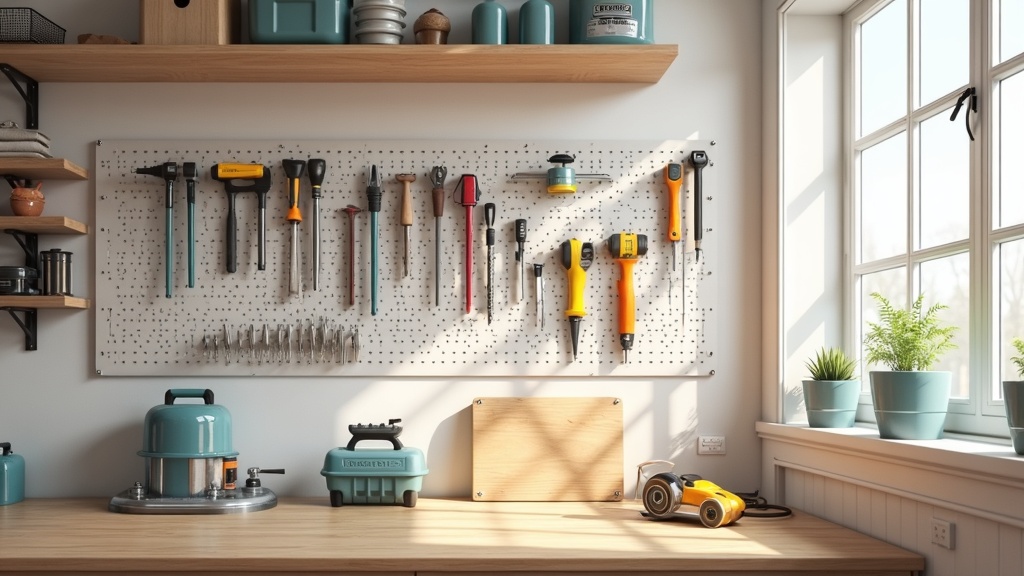
The right tools can make or break your project—literally. Ensure that your tools are not only easily accessible but also in prime condition. Before Matthew embarks on any DIY task, he meticulously checks each tool for functionality. 'A little maintenance goes a long way,' he shares with a nod. Consider arranging them on a pegboard or inside a dedicated drawer with labeled compartments.
Prioritize Safety Measures
No workspace setup is complete without accounting for safety. Equip your area with necessary safety gear like gloves, goggles, and first aid kits. Sarah, who has years of experience in carpentry, suggests testing all electrical tools for faults before use. 'Safety isn't just a step; it's a continuous process,' she emphasizes, ensuring that protective measures are always a priority.
Light it Up
Lighting isn’t just about visibility; it’s about setting an ambiance conducive to creativity. Natural light is the best, but if that's not possible, consider adjustable LED lamps that mimic natural daylight. Alex, who specializes in DIY electronics projects, often remarks, 'Good lighting transforms how you perceive your project, allowing you to spot imperfections with ease.'
Create a Comfortable Environment
Your workspace should be a place of comfort as much as it is functional. Adjust the room's temperature to a comfortable level, and don't underestimate the value of a good chair to support you during those long crafting sessions. Ella, who crafts intricate jewelry, insists, 'A comfortable environment helps foster sustained creativity and reduces fatigue.'
Plan and Prepare
Any successful project starts with a plan. Map out each step of your project on a whiteboard or notepad for easy reference. Jacob, renowned for his meticulous DIY creations, recommends setting short, manageable goals. He asserts, 'Pre-planning allows for creative breaks without losing sight of the end goal, maintaining both focus and inspiration.'
Embrace the Flow
Once your workspace is organized and your plan is set, lean into the workflow. Adapt and modify your setup as needed based on the project's demands. 'Flexibility within your structure is key to handling unforeseen challenges,' says Ethan, a veteran DIY furniture builder. Every project is a learning experience that enriches your future endeavors.
Reflect and Revise
Post-project, take the time to reflect on what worked and any areas for improvement in your setup. Olivia, who frequently embarks on DIY home improvement projects, suggests keeping a journal of insights gained from each project. 'Reflection turns experience into insight, helping you streamline future projects,' she advises, turning every lesson into a stepping stone for success.